By
By “Just Do It.” “Think Different.” “I’m Lovin’ It.”
You recognized those instantly, didn’t you?
That’s the power of a great company slogan. The best slogans transcend marketing—they become cultural touchstones, shape consumer behavior, and define entire brands in just 3-7 words.
But what separates a forgettable tagline from a legendary slogan that drives billions in revenue?
In this comprehensive guide, we’ve analyzed 70 of the most famous company slogans and taglines that shaped modern marketing. You’ll discover:
- ✅ 70 iconic slogans organized by industry (tech, food, automotive, retail, and more)
- ✅ Analysis of what makes each slogan work
- ✅ The 7 key ingredients of a great slogan
- ✅ How to create your own memorable tagline (5-step process)
Whether you’re a marketer looking for inspiration or a business owner crafting your brand identity, these examples will show you exactly what works—and why.
What Makes a Great Company Slogan?
Before we dive into the examples, let’s clarify what we’re talking about.
Slogan vs Tagline vs Mission Statement
Slogan:
- Short, catchy phrase used in marketing campaigns
- Can change over time (“You Deserve a Break Today” → “I’m Lovin’ It” for McDonald’s)
- Marketing and advertising-focused
- Designed for memorability and emotional connection
Tagline:
- Longer-lasting brand descriptor
- More permanent than slogans (rarely changes)
- Defines what the company does or believes
- Examples: “The Ultimate Driving Machine” (BMW), “Because You’re Worth It” (L’Oréal)
Mission Statement:
- Internal company purpose
- Not typically customer-facing
- Operational guide for employees
- Example: “To organize the world’s information and make it universally accessible and useful” (Google)
For this article, we’re using “slogan” and “tagline” interchangeably, as many companies do. The key point: these are short, memorable phrases that define brands.
Why Do Companies Need Slogans?
The data speaks for itself:
- 23% higher brand recall: Companies with memorable slogans enjoy significantly higher brand recognition
- 30% sales increase: Nike’s “Just Do It” campaign drove a 30% surge in sales when launched in 1988
- Emotional connection: Slogans tap into feelings (aspiration, happiness, belonging) that facts and features can’t
- Differentiation: In crowded markets, slogans clarify what makes you unique
A great slogan = your brand story in 5 words or less.
Now, let’s explore 70 examples that got it right.
Category 1: Tech & Software Slogans (10 Examples)
Technology companies use slogans to humanize complex products and inspire innovation.
1. Apple: “Think Different” (1997-2002)
Why it works: Positioned Apple as the brand for rebels, creators, and innovators. Instead of selling computer specs, Apple sold an identity.
Lesson: Challenge the status quo. Make your customers the hero of a bigger story.
2. Microsoft: “Be What’s Next” / “Your Potential. Our Passion.”
Why it works: Empowering and forward-looking. Focuses on what customers can achieve, not what Microsoft builds.
Lesson: Speak to customer aspirations, not product features.
3. IBM: “Think”
Why it works: One word. Massive impact. Intellectual positioning for a technology company. Timeless since 1911.
Lesson: Simplicity is powerful. Don’t overcomplicate.
4. Intel: “Intel Inside”
Why it works: Created “ingredient branding” for B2B tech. Made invisible components valuable to consumers.
Lesson: Make the invisible visible. Show value where others don’t.
5. Google: “Don’t Be Evil” (unofficial motto, retired)
Why it works: Human-first positioning for a massive tech company. Differentiated Google as the “good guys.”
Lesson: Values differentiate. Show what you stand for.
6. Salesforce: “No Software”
Why it works: Clear, bold differentiation from traditional CRM competitors. Defined cloud computing for business.
Lesson: Define what you’re NOT. Contrast creates clarity.
7. Slack: “Where Work Happens”

Why it works: Aspirational and category-defining. Positions Slack as THE central hub for teams.
Lesson: Own the space. Be the category leader.
8. Adobe: “Creativity for All”

Why it works: Democratizes design. Inclusive and accessible messaging.
Lesson: Accessibility resonates. Lower barriers, expand your market.
9. Dell: “Yours Is Here”
Why it works: Personalization promise. Makes mass-produced computers feel custom.
Lesson: Make it about them, not you.
10. HP: “Keep Reinventing”
Why it works: Innovation positioning. Shows evolution and adaptability.
Lesson: Show you’re constantly improving.
Category 2: Food & Beverage Slogans (15 Examples)
Food and beverage brands excel at sensory, emotional slogans that tap into cravings and happiness.
11. McDonald’s: “I’m Lovin’ It”
Why it works: Upbeat, positive, sing-song. Instantly recognizable jingle. Emotional (love), not just taste.
Lesson: Emotion over features. Make people feel something.
12. Coca-Cola: “Open Happiness” / “Taste the Feeling”

Why it works: Connects a drink to an emotional state (happiness). Aspirational beyond the product.
Lesson: Sell the feeling, not the product.
13. Red Bull: “Gives You Wings”
Why it works: Metaphor for energy and limitless potential. Aspirational and memorable.
Lesson: Use metaphors that visualize benefits.
14. Subway: “Eat Fresh”
Why it works: Clear differentiation from fast food. Health positioning in two words.
Lesson: Differentiate with your core benefit.
15. KFC: “Finger Lickin’ Good”
Why it works: Sensory and visceral. You can almost taste it from the slogan.
Lesson: Engage the senses. Paint a picture.
16. Lay’s: “Betcha Can’t Eat Just One”

Why it works: Playful challenge. Acknowledges the addictive quality (in a fun way).
Lesson: Make it a playful challenge or game.
17. M&M’s: “Melts in Your Mouth, Not in Your Hands”
Why it works: Specific product benefit. Solves a real problem (messy chocolate).
Lesson: Highlight a specific, unique benefit.
18. Skittles: “Taste the Rainbow”
Why it works: Visual, colorful, joyful. Matches the product (colorful candies).
Lesson: Align slogan with product visuals.
19. Wendy’s: “Where’s the Beef?” (classic)
Why it works: Challenged competitors (Burger King, McDonald’s) on substance over style.
Lesson: Competitive slogans can be powerful (if done right).
20. Dunkin’: “America Runs on Dunkin'”
Why it works: Positions Dunkin’ as essential fuel for daily life. Aspirational scale (“America”).
Lesson: Make your product essential, not optional.
21. Snickers: “You’re Not You When You’re Hungry”
Why it works: Relatable insight. Hunger changes mood—Snickers fixes it.
Lesson: Identify a relatable insight your product solves.
22. Kit Kat: “Have a Break, Have a Kit Kat”
Why it works: Associates Kit Kat with breaks and relaxation. Gives permission to indulge.
Lesson: Create usage associations (when to use your product).
23. Miller Lite: “Tastes Great, Less Filling”
Why it works: Solves the light beer tension: flavor vs. calories.
Lesson: Address customer objections directly.
24. De Beers: “A Diamond is Forever”
Why it works: Created the diamond engagement ring tradition. Emotional (love, commitment).
Lesson: Timeless slogans can shape culture for decades.
25. Pringles: “Once You Pop, You Can’t Stop”
Why it works: Playful rhyme. Admits addictiveness in a fun way.
Lesson: Rhymes are memorable. Use them wisely.
Category 3: Automotive Slogans (8 Examples)
Car companies sell aspiration, performance, and lifestyle—not just transportation.
26. BMW: “The Ultimate Driving Machine”
Why it works: Performance positioning. Aspirational (“ultimate”). Engineering focus.
Lesson: Superlatives work when you can back them up.
27. Audi: “Vorsprung durch Technik” (Advancement Through Technology)
Why it works: German precision. Tech-forward positioning. Unique (kept German phrase).
Lesson: Foreign phrases can add sophistication (use sparingly).
28. Toyota: “Let’s Go Places”

Why it works: Adventure and possibility. Inclusive (“let’s” = together).
Lesson: Use inclusive language to build community.
29. Ford: “Built Ford Tough” / “Go Further”

Why it works: Durability positioning (trucks). Aspirational (going further in life).
Lesson: Match slogan to your core product strength.
30. Mercedes-Benz: “The Best or Nothing”
Why it works: Premium positioning. No compromises. Aspirational luxury.
Lesson: Own the premium space boldly.
31. Volkswagen: “Think Small” (classic Beetle campaign)
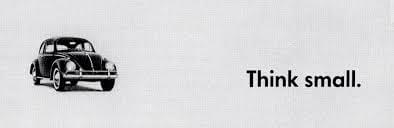
Why it works: Countered American “bigger is better” culture. Honest and clever.
Lesson: Embrace your differences. Turn weaknesses into strengths.
32. Tesla: “Accelerating the World’s Transition to Sustainable Energy”
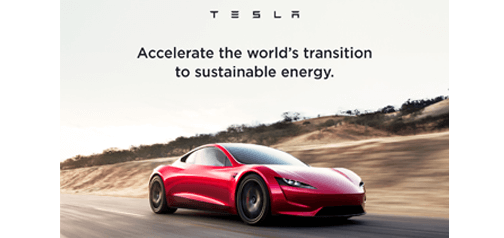
Why it works: Mission-driven. Bigger than cars (saving the planet).
Lesson: Sell the mission, not just the product.
33. Porsche: “There Is No Substitute”
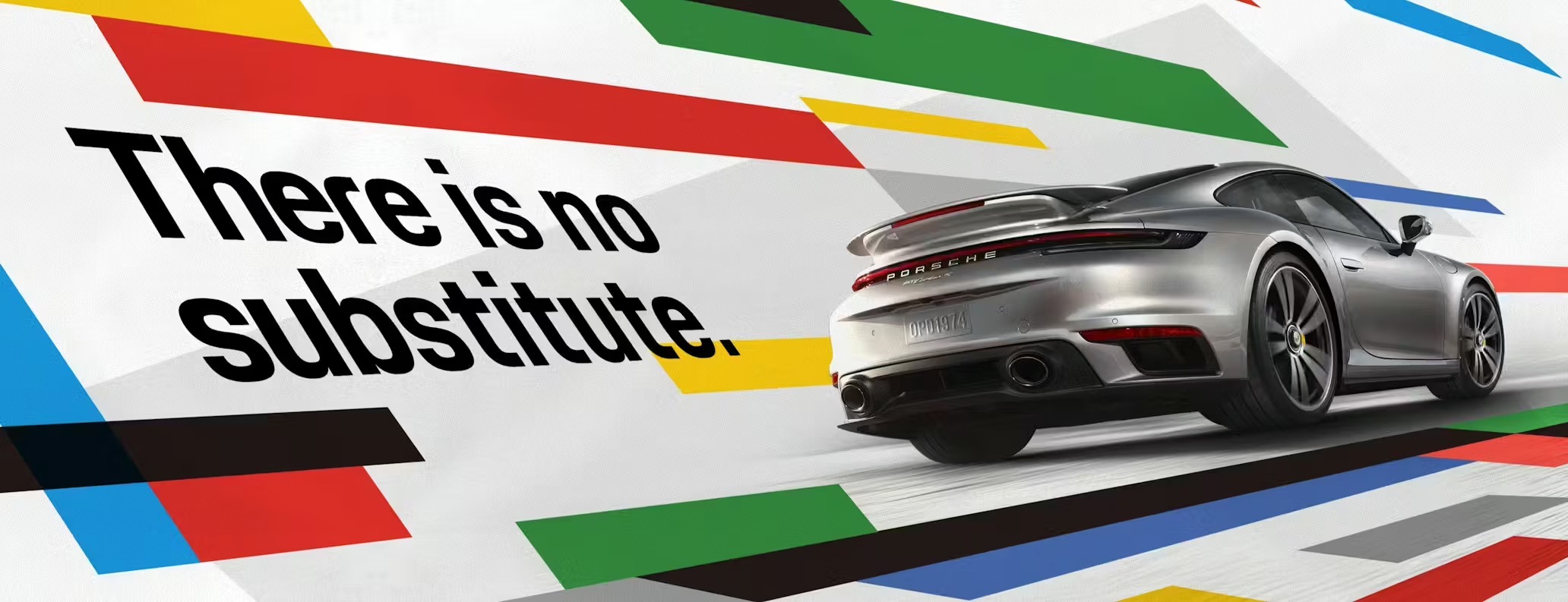
Why it works: Bold, confident, exclusive. You either get it or you don’t.
Lesson: Confidence is attractive. Don’t hedge.
Category 4: Retail & E-commerce (8 Examples)
Retail brands focus on value, experience, and emotional rewards.
34. Amazon: “Work Hard. Have Fun. Make History.”
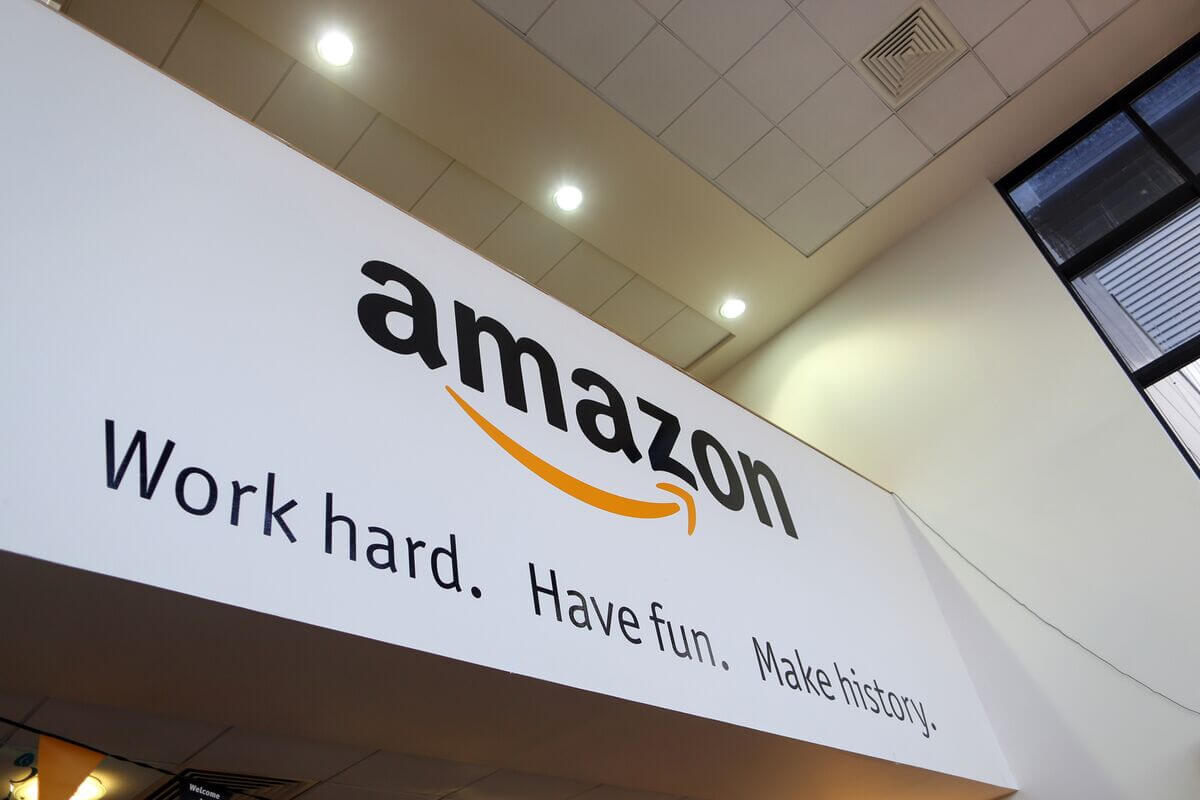
Why it works: Company culture slogan (also public-facing). Ambitious and inspiring.
Lesson: Internal slogans can become external brand assets.
35. Walmart: “Save Money. Live Better.”
Why it works: Clear value proposition. Savings = better life.
Lesson: Connect your benefit to a life improvement.
36. Target: “Expect More. Pay Less.”
Why it works: Solves the cheap vs. quality tension. Have both.
Lesson: Address perceived trade-offs in your category.
37. IKEA: “The Wonderful Everyday”
Why it works: Makes ordinary home goods feel special. Joyful and approachable.
Lesson: Elevate the mundane. Find wonder in everyday products.
38. eBay: “Buy It. Sell It. Love It.”
Why it works: Simple, action-oriented. Covers both sides of marketplace.
Lesson: Verbs create action. Use imperatives.
39. Dollar Shave Club: “Shave Time. Shave Money.”
Why it works: Clever wordplay. Solves two problems (time and money).
Lesson: Wordplay can be memorable (if it’s not too cheesy).
40. Warby Parker: “Eyewear with a Purpose”
Why it works: Social mission (buy one, give one). Purpose-driven business.
Lesson: Purpose resonates with modern consumers.
41. Zappos: “Delivering Happiness”
Why it works: Emotional benefit (happiness), not just product benefit (shoes).
Lesson: Sell outcomes, not products.
Category 5: Financial Services (6 Examples)
Financial companies use slogans to build trust, security, and aspiration.
42. Mastercard: “There Are Some Things Money Can’t Buy. For Everything Else, There’s Mastercard.”
Why it works: Acknowledges money isn’t everything, then positions Mastercard for what money CAN buy. Emotionally intelligent.
Lesson: Acknowledge limitations, then show your value.
43. Capital One: “What’s in Your Wallet?”
Why it works: Direct question. Challenges you to choose them.
Lesson: Questions engage. They create mental participation.
44. PayPal: “The Simpler, Safer Way to Pay”

Why it works: Two key benefits (simple + safe). Clear positioning.
Lesson: Lead with your top 2 benefits.
45. American Express: “Don’t Leave Home Without It”
Why it works: Creates urgency and necessity. Aspirational (travel).
Lesson: Make your product essential, not optional.
46. Fidelity: “Invested with You”
Why it works: Partnership positioning. Trust and customer-centricity.
Lesson: Show you’re on their side, not just selling.
47. Charles Schwab: “Own Your Tomorrow”
Why it works: Empowering. Financial control = life control.
Lesson: Empower customers to take action.
Category 6: Athletic & Lifestyle (8 Examples)
Sports brands excel at motivational, aspirational slogans.
48. Nike: “Just Do It”
Why it works: The gold standard. Action-oriented. Removes excuses. Empowering.
Lesson: Simple imperatives are powerful. Remove barriers.
49. Adidas: “Impossible Is Nothing”

Why it works: Aspirational. Challenges limits. Empowering.
Lesson: Inspire people to go beyond their perceived limits.
50. Under Armour: “I Will”
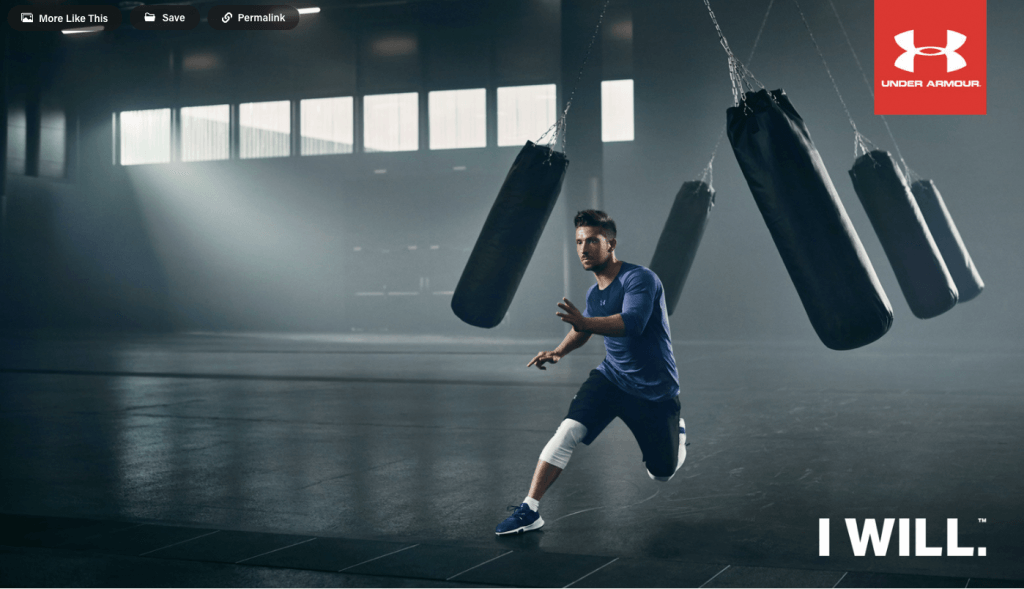
Why it works: Determination and commitment. First-person (customer’s voice).
Lesson: Put words in your customer’s mouth (their declaration).
51. Reebok: “Be More Human”

Why it works: Philosophical. Fitness = humanity. Deeper than “get fit.”
Lesson: Elevate your category to something meaningful.
52. Lululemon: “Breathe, Sweat, Play”
Why it works: Sensory. Covers the full yoga/fitness experience.
Lesson: Use sensory words that evoke the experience.
53. Gatorade: “Is It In You?”
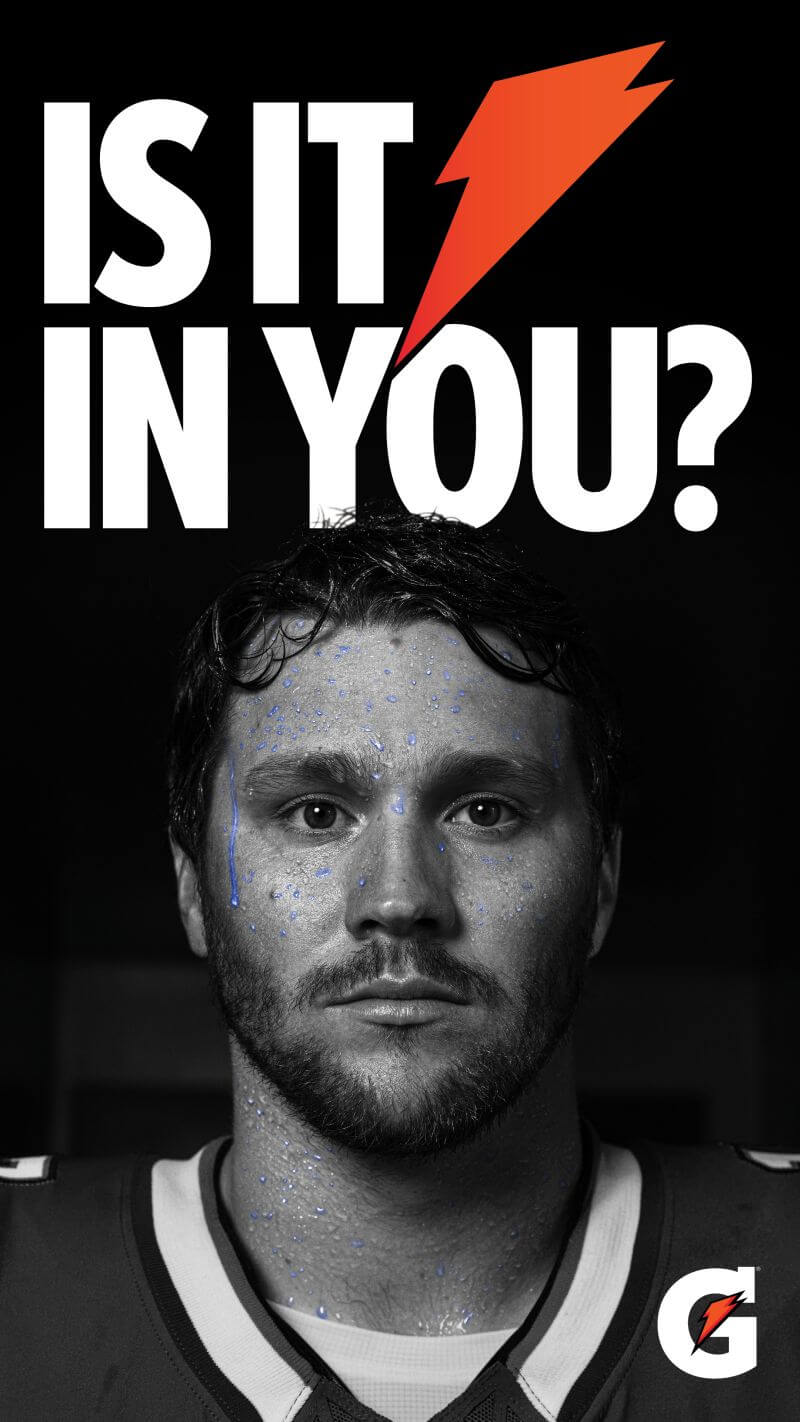
Why it works: Challenge and question. What do champions have that you don’t?
Lesson: Create aspiration through challenge.
54. The North Face: “Never Stop Exploring”
Why it works: Adventure positioning. Lifestyle, not just products.
Lesson: Sell the lifestyle your product enables.
55. Columbia Sportswear: “Tested Tough”
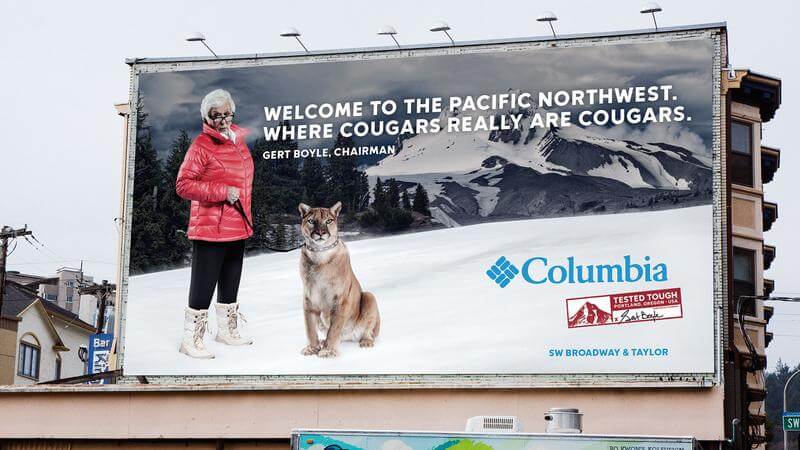
Why it works: Durability positioning. Outdoor credibility.
Lesson: Communicate your key differentiator clearly.
Category 7: Media & Entertainment (5 Examples)
Media brands sell experiences, emotions, and escape.
56. Disney: “The Happiest Place on Earth”

Why it works: Emotional promise. Superlative (happiest). Experience-focused.
Lesson: Sell emotional outcomes, not features.
57. Netflix: “See What’s Next”
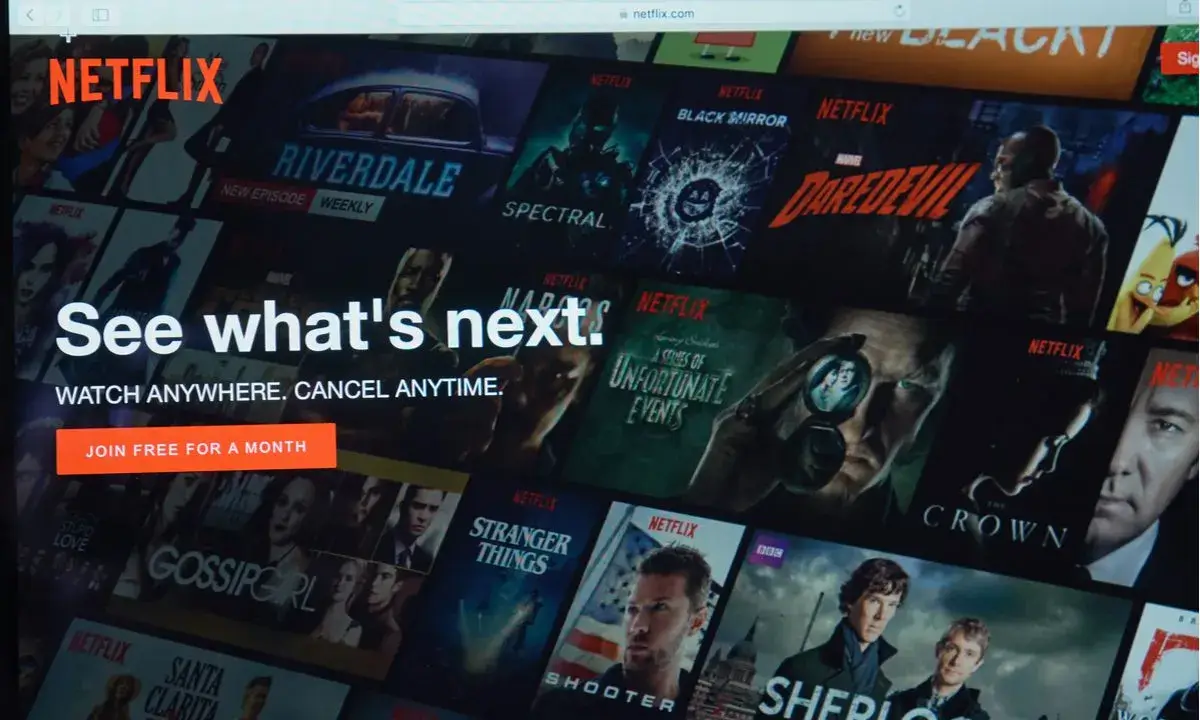
Why it works: Curiosity and anticipation. Future-focused.
Lesson: Create curiosity and FOMO.
58. Spotify: “Music for Everyone”
Why it works: Inclusive. Vast library positioning. Democratic.
Lesson: Inclusivity expands your market.
59. HBO: “It’s Not TV. It’s HBO.”

Why it works: Premium positioning. Above regular television.
Lesson: Differentiate by being in a category of one.
60. YouTube: “Broadcast Yourself”
Why it works: Empowering. Democratizes media creation.
Lesson: Empower your users to be creators, not just consumers.
Category 8: Airlines & Travel (5 Examples)
Travel brands sell adventure, comfort, and possibility.
61. Airbnb: “Belong Anywhere”
Why it works: Emotional (belonging). Solves loneliness of travel. Inclusive.
Lesson: Address emotional needs, not just functional ones.
62. Delta: “Keep Climbing”
Why it works: Aspirational. Progress and improvement. Positive.
Lesson: Inspire continuous improvement.
63. Southwest Airlines: “Low Fares. Nothing to Hide.”
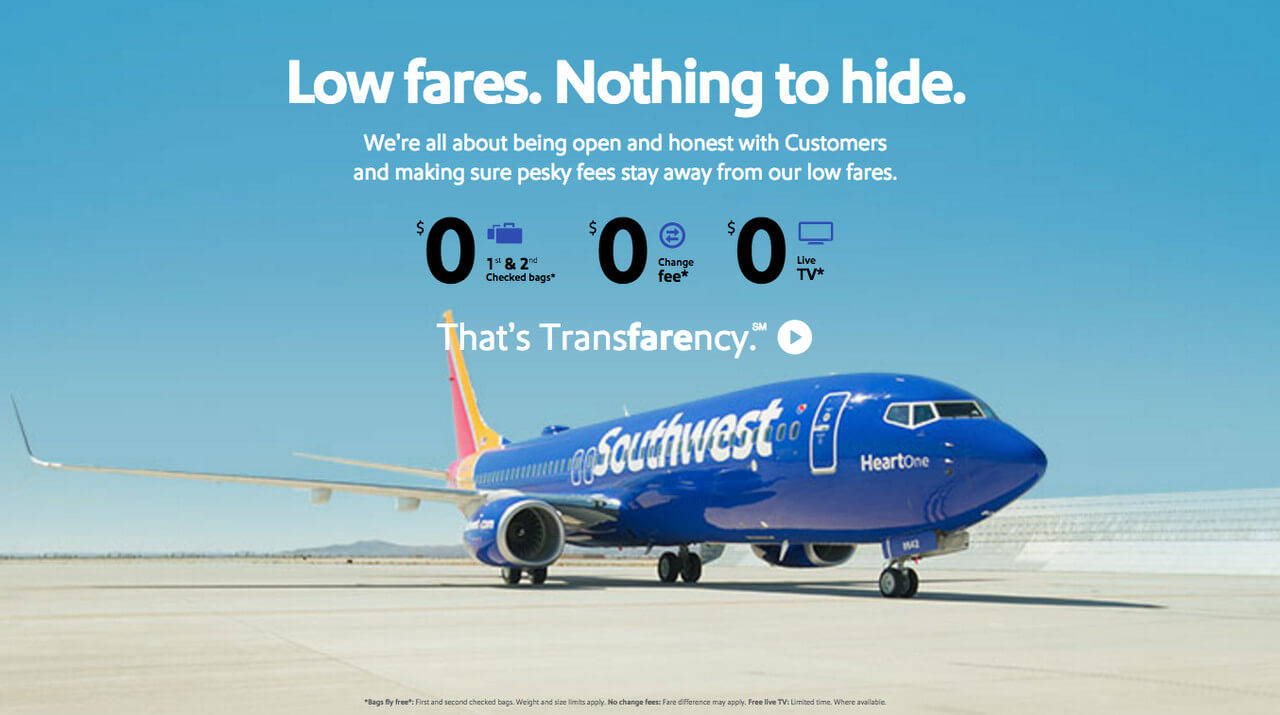
Why it works: Transparency. Addresses airline fee frustration.
Lesson: Transparency builds trust in skeptical categories.
64. Marriott: “Travel Brilliantly”
Why it works: Elevates business travel. Smart, not just comfortable.
Lesson: Reframe your category (travel isn’t just logistics).
65. American Airlines: “Going for Great”
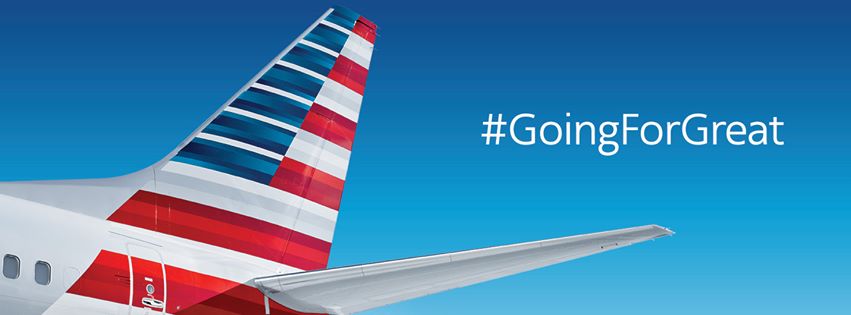
Why it works: Aspirational. Commitment to excellence.
Lesson: Show you’re striving to be better.
Category 9: Household & Personal Care (5 Examples)
Personal care brands tap into self-worth, beauty, and confidence.
66. L’Oréal: “Because You’re Worth It”
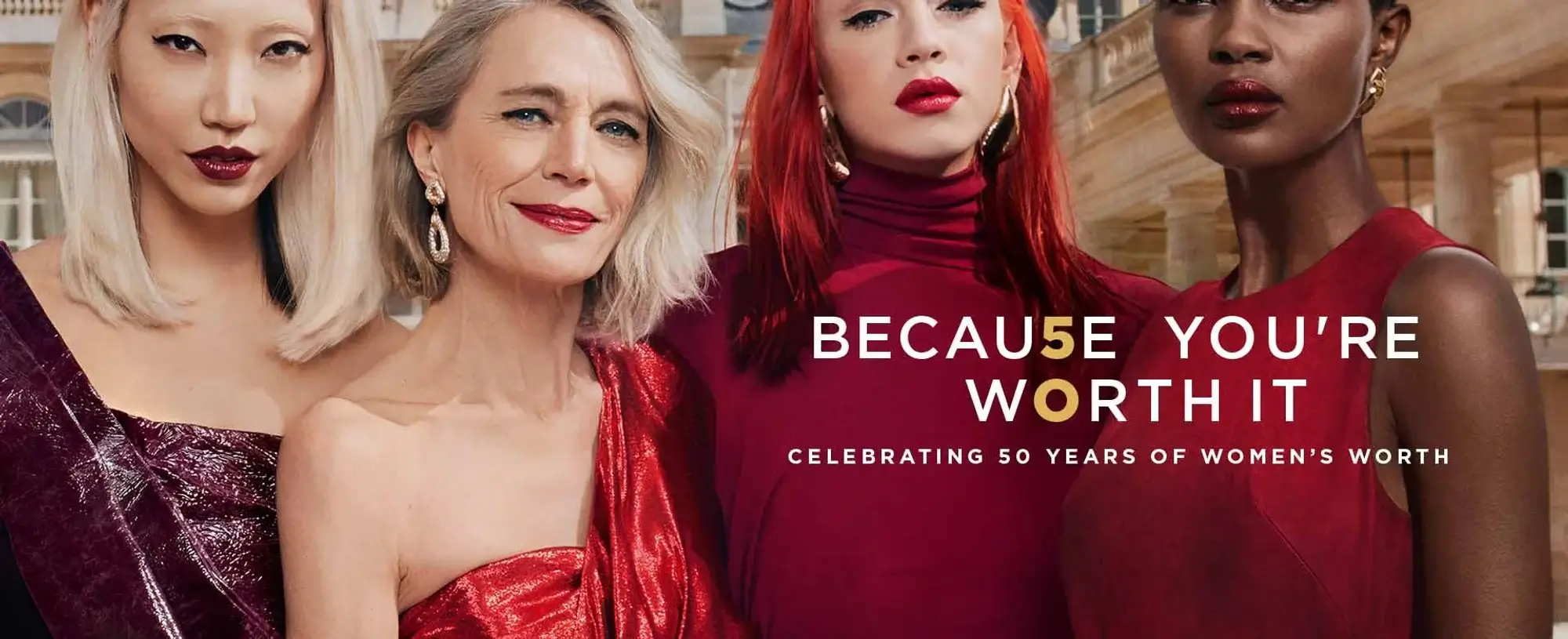
Why it works: Self-worth positioning. Empowering, especially for women.
Lesson: Tap into self-esteem and self-worth.
67. Dove: “Real Beauty”
Why it works: Challenged beauty industry standards. Authentic and inclusive.
Lesson: Challenge industry norms to stand out.
68. Gillette: “The Best a Man Can Get”
Why it works: Aspirational masculinity. Premium positioning.
Lesson: Superlatives work when backed by quality.
69. Head & Shoulders: “You Get It”
Why it works: Play on words (get rid of dandruff + understand the problem).
Lesson: Clever wordplay can make slogans memorable.
70. Febreze: “Breathe Happy”
Why it works: Sensory and emotional. Fresh air = happiness.
Lesson: Connect product benefits to emotional states.
The 7 Key Ingredients of a Great Slogan
After analyzing 70 famous slogans, here are the patterns that make them work:
1. Simplicity (3-7 words ideal)
- Examples: “Just Do It” (3 words), “Think Different” (2 words), “I’m Lovin’ It” (3 words)
- Why it works: Easy to remember, easy to repeat, easy to recognize
- Avoid: Long, complex phrases or jargon
2. Clarity (Immediately understandable)
- Examples: “Eat Fresh” (Subway), “The Simpler, Safer Way to Pay” (PayPal)
- Why it works: No confusion about what you offer
- Avoid: Abstract concepts that need explanation
3. Emotion (Connects to feelings, not just logic)
- Examples: “Because You’re Worth It” (L’Oréal), “Belong Anywhere” (Airbnb), “Open Happiness” (Coca-Cola)
- Why it works: Emotions drive decisions more than facts
- Tap into: Self-worth, belonging, joy, aspiration, confidence
4. Differentiation (Shows what makes you unique)
- Examples: “Melts in Your Mouth, Not in Your Hands” (M&M’s), “No Software” (Salesforce)
- Why it works: Clarifies why you’re different from competitors
- Avoid: Generic claims anyone could make
5. Action-Oriented (Often uses verbs)
- Examples: “Just Do It” (Nike), “Think Different” (Apple), “Keep Climbing” (Delta)
- Why it works: Verbs inspire action and create urgency
- Use: Imperatives, action verbs, challenges
6. Timelessness (Not trendy, endures)
- Examples: “A Diamond is Forever” (De Beers—75+ years old), “The Ultimate Driving Machine” (BMW—since 1973)
- Why it works: Stays relevant across decades
- Avoid: Slang, pop culture references, dated language
7. Authenticity (Reflects real brand values)
- Examples: “Don’t Be Evil” (Google), “Real Beauty” (Dove)
- Why it works: Customers see through fake positioning
- Requirement: Your slogan must match your actual brand behavior
How to Create Your Own Memorable Slogan (5-Step Process)
Ready to create a slogan for your business? Follow this proven process:
Step 1: Define Your Core Message
What’s the ONE thing you want people to remember about your brand?
- Not your elevator pitch (that’s too long)
- Not all your features (that’s too many)
- Your slogan = your battle cry in 5 words or less
Exercise: Complete this sentence: “We help [target audience] [achieve outcome] by [unique approach].”
Then distill it to 3-7 words.
Step 2: Know Your Audience
What do they care about?
- L’Oréal’s audience: Self-esteem → “Because You’re Worth It”
- Nike’s audience: Overcoming obstacles → “Just Do It”
- Airbnb’s audience: Belonging while traveling → “Belong Anywhere”
What language do they use?
- Dollar Shave Club: Casual, humorous → “Shave Time. Shave Money.”
- IBM: Intellectual, serious → “Think”
Step 3: Brainstorm 50+ Options
Don’t settle for your first idea. Generate dozens of options:
- Word association: Write your core benefit, then list 20 related words
- Metaphors: How could you visualize your benefit? (Red Bull → “Gives You Wings”)
- Opposites: What are you NOT? (Salesforce → “No Software”)
- Customer quotes: What do customers say about you? Turn it into a slogan
- AI assistance: Use tools like Simplified’s AI Writer to generate slogan ideas based on your brand
Combine and remix until you have 50+ options.
Step 4: Test the 3-Second Rule
For each slogan candidate, ask:
- ✅ Can someone repeat it after hearing it once? (If not, it’s too complex)
- ✅ Does it make sense without context? (Don’t rely on explanations)
- ✅ Is it memorable 24 hours later? (Test with friends/colleagues)
- ✅ Is it unique to your brand? (Could a competitor use the same slogan?)
Narrow your list to 3-5 finalists.
Step 5: Validate with Real People
Don’t decide in a vacuum. Test with:
- Customers: Survey your audience—which slogan resonates most?
- Team: Get buy-in from employees who’ll use it daily
- Multiple channels: Test in social media posts, ads, email signatures
- Legal check: Ensure trademark availability (search USPTO.gov)
Pick the winner and commit to it for at least 1-2 years (don’t keep changing).
Slogan Creation Mistakes to Avoid
Frequently Asked Questions
Q: How long should a company slogan be?
A: 3-7 words is ideal. The most famous slogans are incredibly short:
- Nike: “Just Do It” (3 words)
- Apple: “Think Different” (2 words)
- BMW: “The Ultimate Driving Machine” (4 words)
Aim for under 10 words maximum. If you can’t say it in one breath, it’s too long.
Q: Can I change my slogan over time?
A: Yes, but be strategic about it. Some brands evolve slogans while maintaining brand identity:
- Coca-Cola: “The Pause That Refreshes” → “Open Happiness” → “Taste the Feeling”
- McDonald’s: “You Deserve a Break Today” → “I’m Lovin’ It”
Don’t change too often—give your slogan at least 2-3 years to build recognition.
Q: Should my slogan describe what my product does?
A: Not necessarily. The best slogans convey feeling or aspiration, not features:
- Feature-focused (weak): “Carbonated Beverage with Real Sugar”
- Emotion-focused (strong): “Open Happiness” (Coca-Cola)
Sell the outcome, not the product.
Q: How do I know if my slogan is good?
A: Test it with the 3-Second Rule:
- ✅ Can someone repeat it after one hearing?
- ✅ Does it differentiate you from competitors?
- ✅ Does it evoke emotion or action?
- ✅ Is it clear without explanation?
If yes to all four, you’ve got a winner.
Q: Can I use AI to create slogans?
A: Yes! AI tools like Simplified AI Writer can generate dozens of slogan options based on your brand voice, industry, and key benefits.
How to use AI for slogans:
- Input your brand name, industry, and key benefits
- Generate 20-30 slogan options with AI
- Refine the best ones with human creativity
- Test the finalists with real customers
AI is excellent for ideation, but human creativity and judgment are essential for the final decision. For small businesses on a budget, check out our guide on AI for small business marketing.
Q: What’s the difference between a slogan and a value proposition?
A: Slogan– Short, catchy, emotional (3-7 words)
- Example: “Just Do It” (Nike)
Value Proposition: Longer, explains your unique benefit (1-2 sentences)
- Example: “Nike provides innovative athletic footwear, apparel, and equipment designed to help athletes of all levels achieve peak performance.”
Use both: Slogan for marketing/brand identity, value proposition for website/sales materials.
Conclusion: Your Slogan is Your Story in 5 Words
The best company slogans do more than describe products—they define movements.
- “Just Do It” isn’t about shoes. It’s about overcoming obstacles.
- “Think Different” isn’t about computers. It’s about challenging convention.
- “Belong Anywhere” isn’t about lodging. It’s about human connection.
Your slogan should:
- ✅ Capture your brand essence in under 10 words
- ✅ Resonate emotionally, not just rationally
- ✅ Differentiate you from competitors
- ✅ Stand the test of time (at least 2-3 years)
- ✅ Be simple enough to remember after one hearing
Start creating:
- Define your one core message
- Know your audience deeply
- Brainstorm 50+ options (use AI copywriting tools for speed)
- Test the 3-Second Rule
- Validate with real customers
The right slogan can transform your brand. It’s not just marketing—it’s the words that will define your company for years to come.
Ready to Create Your Own Memorable Slogan?
Use Simplified’s AI Writer to generate dozens of slogan ideas in seconds. Input your brand, industry, and key benefits—get professional slogan options instantly.
Try Simplified’s AI Slogan Generator Free →
Your brand story starts with 5 words. Make them count.







![200+ Book Name Ideas for Your Next Masterpiece [2026]](https://siteimages.simplified.com/blog/Awesome-Book-Name-Ideas-01.png?auto=compress&fm=png "200+ Book Name Ideas for Your Next Masterpiece [2026]")