Simplified Studio

AI short drama and mini drama generator: one cast, every episode.

Write the hook. The director designs your leads once and keeps them identical in every scene, with one look from episode one to the finale. Short dramas, micro dramas, whatever you call them: this is where they get made.

Opens in Studio with your premise filled in. Pay as you go. 0/480
Watch an episode get made

One hook in. Watch the episode get made.

The plan first, then the cast, then the shots, then the cut. Twelve shots, and the leads look like themselves in every one they are in.

The Wrong Passport
  1. Planning
  2. Building
  3. Review

The Wrong Passport: a courier discovers the passport he carries belongs to a missing man, and every safe house expects him to be that man.

Here is the plan. Nothing is made until you approve it.

A courier carries a missing man's passport. Every safe house expects him to be that man.

  • Story
  • 48s
  • 16:9
  • 12 shots in 3 scenes

Look Anamorphic 40mm, desaturated teal, one passport-red accent, 35mm grain

  1. 1
  2. 2
  3. 3
  4. 4
  5. 5
  6. 6
  7. 7
  8. 8
  9. 9
  10. 10
  11. 11
  12. 12

Plan approved

Casting David, Miriam and Eliav once, with the places and props. Every shot is built from these references.

Shooting 12 shots across 3 scenes. Same faces, same look.

I checked every take. Dialogue and score are on. Your cut is ready.

Cast and world Made once, reused in every shot and every episode
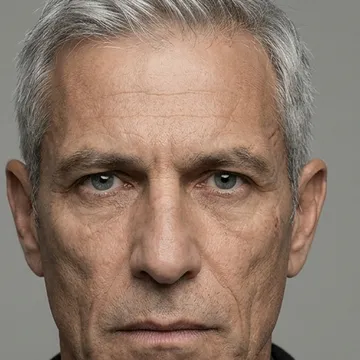
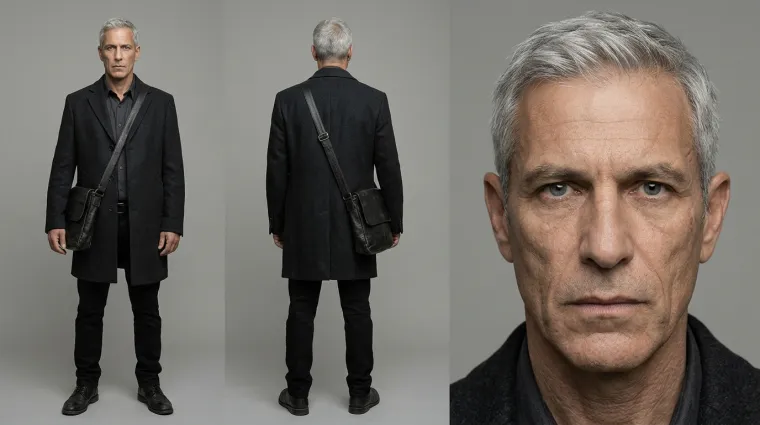
  • Reference for David Halevi, a grey-haired courier David Character
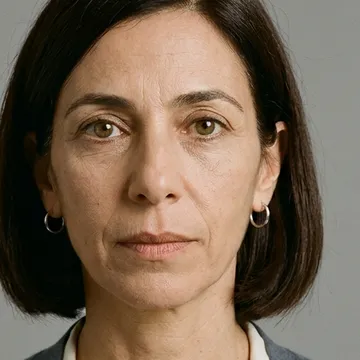
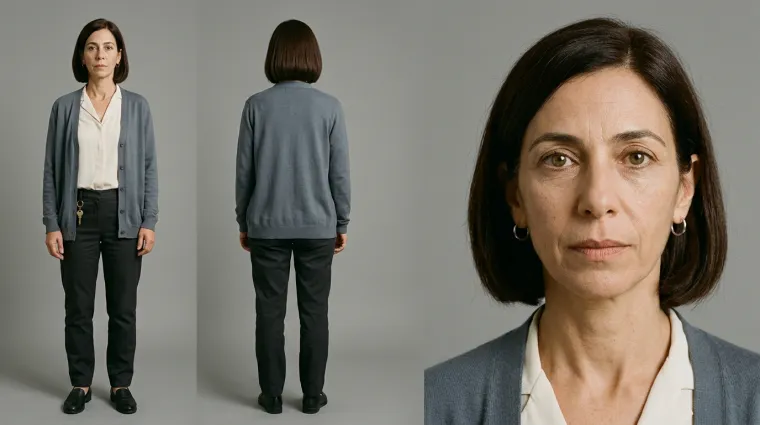
  • Reference for Miriam Sadeh, who runs the safe house Miriam Character
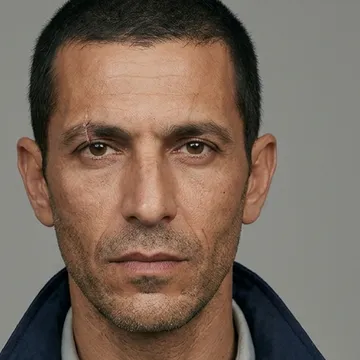
  • Reference for Eliav Ben-Ami, the missing man Eliav Character
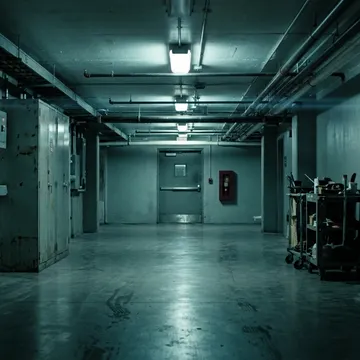
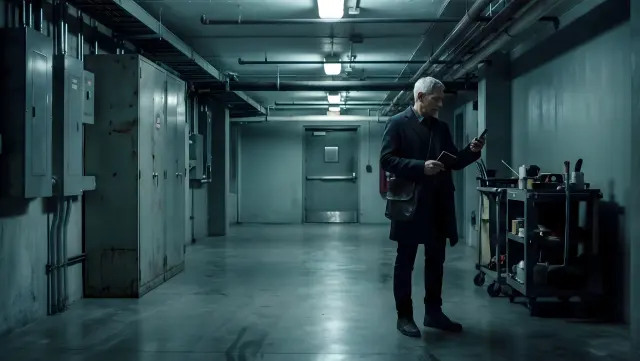
  • Location reference: an airport service corridor The corridor Location
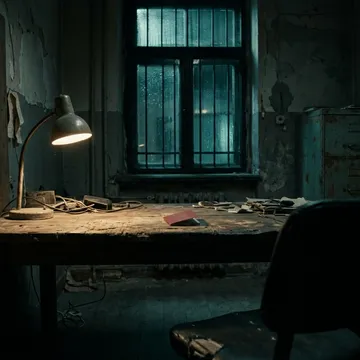
  • Location reference: the back room of the safe house The back room Location
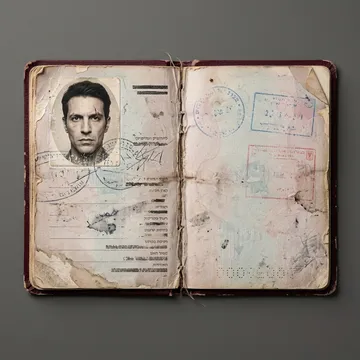
  • Prop reference: a worn passport The passport Prop
Shots Each one starts from the references above
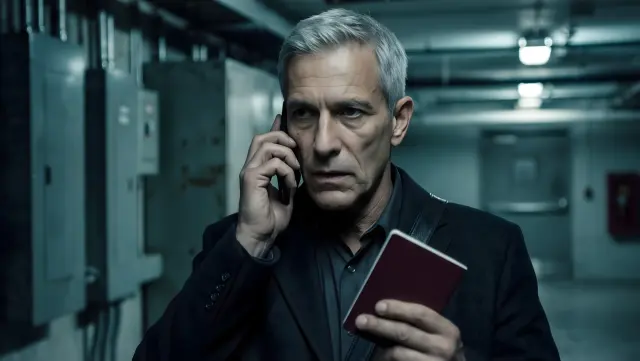
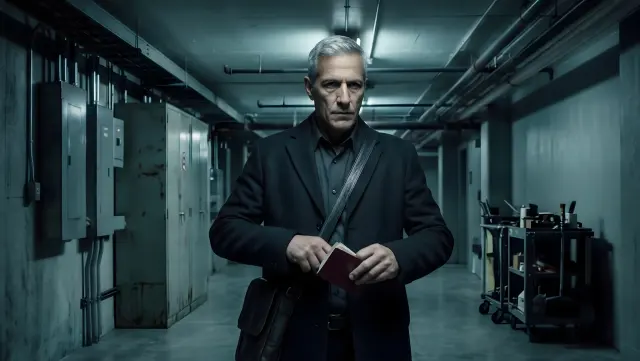
  1. David on the phone in a service corridor, holding a passport 1 David
  2. David alone at the far end of the corridor 2 David
  3. David walks down the corridor with the passport in his hands 3 David
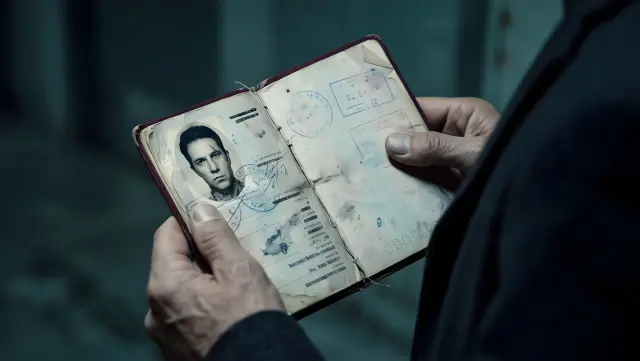
  4. Close-up of the passport, open to another man's photo 4 The passport
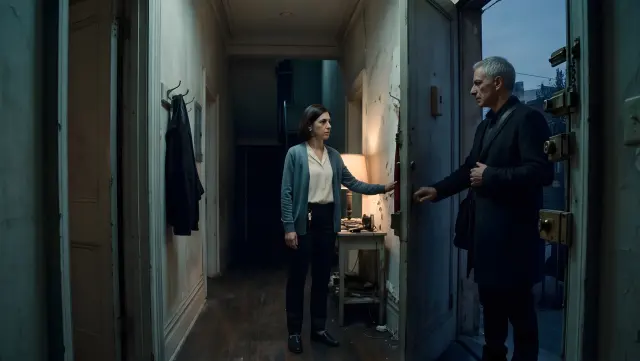
  5. Miriam opens the safe-house door to David 5 Miriam and David
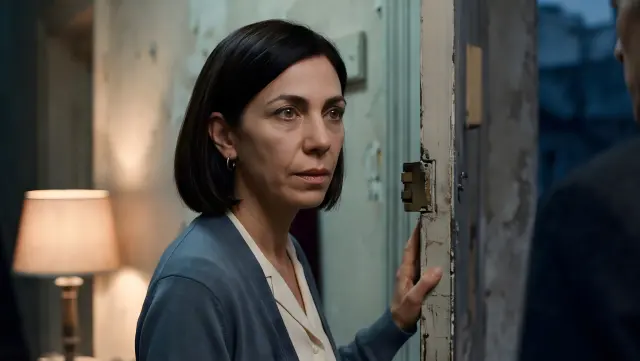
  6. Miriam at the door, studying the man in front of her 6 Miriam
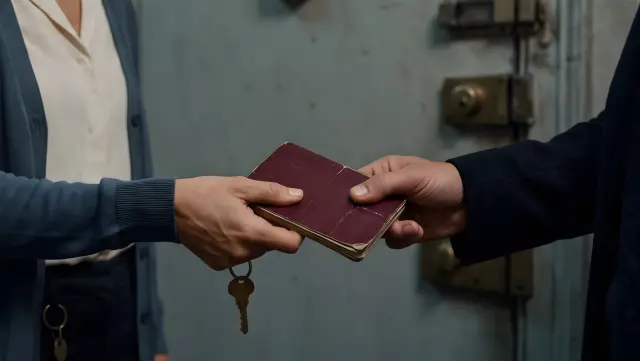
  7. The passport passes from one hand to another 7 The handover
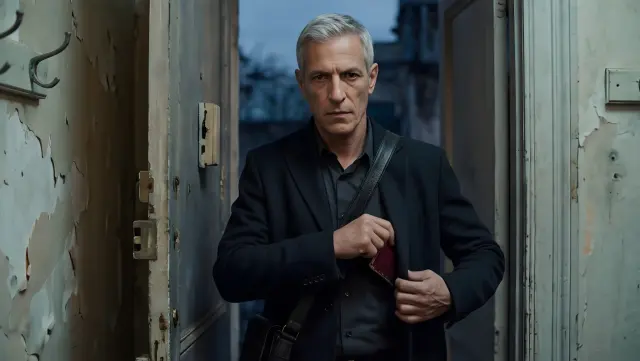
  8. David in the doorway, tucking the passport into his coat 8 David
  9. David and Miriam in the back room, the passport on the table 9 David and Miriam
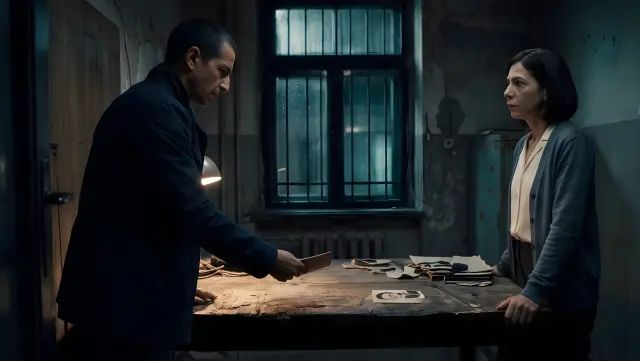
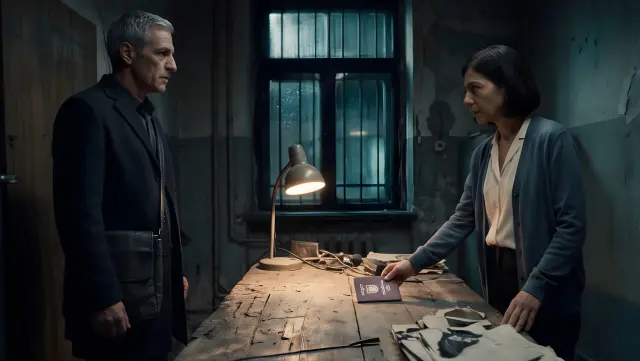
  10. David and Miriam face each other across the table 10 David and Miriam
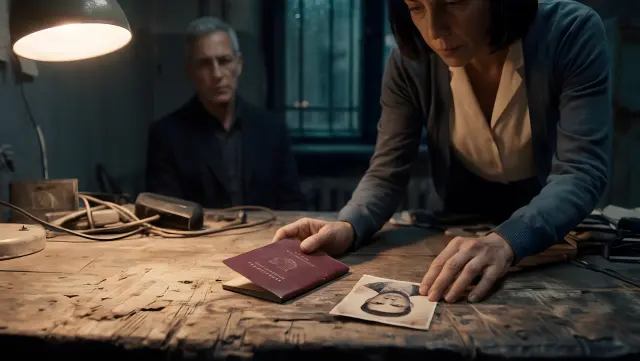
  11. Miriam leans over the table while David watches from the shadows 11 Miriam and David
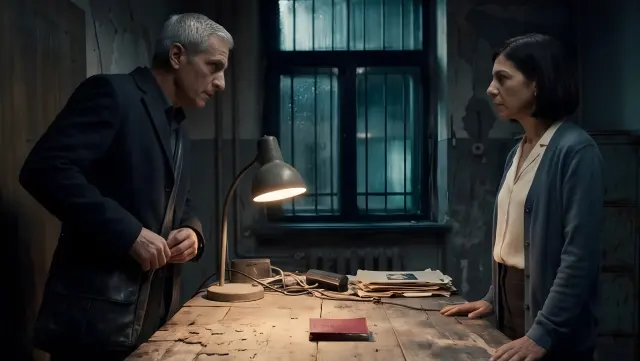
  12. David and Miriam at the table under a single lamp 12 David and Miriam

A real Studio production. Every frame on this board came out of Studio.

Episode one, as Studio rendered it.

48 seconds, with dialogue and a score. Episode two reuses the same cast and the same places. Press play and turn the sound on.

Why a series works here

Your leads look like themselves. Every scene, every episode.

A drama falls apart the moment the heroine has a different face. Studio makes each lead once and builds every shot from that reference. Compare them.

Character sheet for David: front view, back view and face
DavidReference sheet, made once
  • David on the phone in a service corridor, holding a passport Shot 1
  • David walks down the corridor with the passport in his hands Shot 3
  • David in the doorway, tucking the passport into his coat Shot 8
  • David and Miriam face each other across the table Shot 10
Character sheet for Miriam: front view, back view and face
MiriamReference sheet, made once
  • Miriam opens the safe-house door to David Shot 5
  • Miriam at the door, studying the man in front of her Shot 6
  • Miriam leans over the table while David watches from the shadows Shot 11
  • David and Miriam at the table under a single lamp Shot 12
  • Leads made onceA reference sheet per character. The face, the hair and the outfit come from it in every shot.
  • One look for the whole seriesPalette, lens and lighting are fixed in the plan, so episode five sits next to episode one without a seam.
  • Episode two starts castOpen the next episode in the same project and the people and places are already there.

Cast my leads

How an episode gets made

From a hook to a cliffhanger, in three moves.

You make the creative calls. Studio does the casting, the shooting and the sound.

1

Pitch the premise in one line.

A secret, a betrayal, a stranger at the door. Type the hook, or paste a script if the episode is already written. Stuck? Ask for three angles on the idea.

2

Approve the cast before the cameras roll.

Studio writes the episode plan and designs the characters and the world. You sign off on the look of each lead, then the shots, then the voices and the music.

3

Watch the episode. Start the next.

The cut arrives with dialogue and score in place. Open a new episode in the same project and the cast carries over.

Got a twist you have been sitting on?

Type the premise and read the episode plan before anything is made.

Open Studio
What a mini drama needs

A cast that holds, voices that act, a score that lands.

The parts that make serialized fiction work are the parts most AI video tools drop. These are built in.

The same face in every scene

Each lead gets a four-view character sheet. That sheet is what keeps a face, a hairstyle and an outfit from drifting between shots and between episodes.

Vertical, the way dramas are watched

Shoot in 9:16 for phones and short-form feeds, or 16:9 when the story wants a wider frame.

Dialogue with real voices

Characters speak their lines. Pick a voice for each one, set the language, and adjust the pace until the delivery fits the scene.

A score that knows the mood

Describe the feeling and get an original track, instrumental or with vocals, to sit under the scene that needs it.

A plan you can change

Read the episode plan before anything is made. Cut a scene, sharpen the twist, move the cliffhanger. It is cheaper to fix a line than a finished cut.

Your pick of video models

Scenes run on current video models including Veo 3.1, Kling 3.0 and Seedance, so you can choose the one that suits the shot.

How to write a mini drama that people finish

A mini drama episode runs about a minute or two, and viewers decide in the first few seconds whether to stay. The writing has less room than a film and more pressure than a sitcom. Four habits carry most of the weight.

  • Open on the problem. Skip the setup. Start with the slap, the secret, the envelope on the table. Explain who these people are while the scene is already moving.
  • Give every episode one turn. One reveal, one reversal, one decision. If an episode has two, it is two episodes.
  • End before the answer. Cut on the question, not the resolution. The door opens and we do not see who is there. That gap is why people tap the next episode.
  • Keep the cast small. Two or three faces the audience can tell apart at a glance. A fourth character is usually a twist, so save them.

When you pitch Studio, put all four in the line: who wants what, what is in the way, and the image you want the episode to end on.

Mini dramas, answered

What people ask before they pitch episode one.

What is an AI short drama or mini drama generator?

It is a tool that turns a story premise into a finished short drama episode, also called a mini drama. You describe the hook. The generator writes the episode plan, creates the characters and the setting, produces the scenes, and adds dialogue and music. Simplified Studio does this in steps you can review.

Is a mini drama the same as a short drama or a micro drama?

Yes. All three names describe the same format: serialized fiction told in very short vertical episodes, each one built around a hook and ending on a cliffhanger. The term changes by region and by app.

Do I need to know how to write a script?

No. A one-line premise is enough to start, and Studio drafts the episode plan from it. If you have written the episode already, paste it in Script mode and Studio follows your words.

Will my characters look the same in every episode?

That is what the character sheet is for. Studio builds a four-view reference of each character from your description or from reference photos, and uses it to hold the face and outfit steady across scenes. New episodes in the same project reuse the cast.

Can I make a whole series?

Yes. Keep the episodes in one project so the cast and the world stay with you, and write each new premise as the next beat of the story.

Can I put myself or someone I know in the drama?

Yes. Choose Star in it, add reference photos, and the lead is cast from them. Only use photos of people who have agreed to it.

How much say do I have while it is being made?

With Approve each step you review the plan, then the cast and world, then the shots, then the voice and music, before the cut is assembled. Auto mode skips the reviews and goes straight to the finished episode.

How does pricing work?

Studio is pay as you go. You add funds and pay for what you make, and you see an estimate before anything is generated.

Episode one is one line away.

Pitch the hook, approve the cast, watch the cut.